
How the LER Ecosystem Evolved—and What It Must Become Next
The LER ecosystem grew from decades of work in digital records, portfolios, credentials, interoperability, workforce data, and individual agency. Its next evolution must turn portable records into trusted, human-centered intelligence people can understand and use.

What would Integrating LER Technology in the Classroom look like?
LER integration should not mean tracking every student interaction or adding another disconnected platform. It should help learners preserve meaningful evidence, understand their growth, and carry trustworthy records from the classroom into future learning and work.
The Résumé Is Not Enough: Why Applicant Tracking Systems Need Better Talent Data
Applicant Tracking Systems have made hiring easier to manage, but they still rely on incomplete résumés and inconsistent data. LERs, talent passports, and contextual evidence can help employers understand candidates more fully while preserving human judgment and candidate agency.
AI Should Expand Young Career Possibilities—Not Choose Their Future
AI can help young people explore careers, recognize their capabilities, and prepare for meaningful opportunities—but it should never attempt to decide their future. Ethical career guidance must preserve agency, privacy, explainability, human support, and the freedom to change.

Universal Talent Passports and the Future of Talent Management
A partnership model for talent management that gives people continuity, organizations relevant context, and both sides clearer boundaries and reasons to participate.
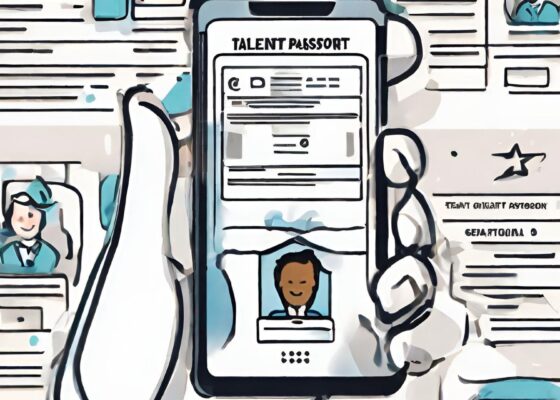
Credential Issuance Is Only the Beginning: Helping People Use What They Earn
Credential issuance is only the beginning. Learn how issuers can help people receive, understand, retain, and use digital credentials through trustworthy wallet and passport partnerships—without creating platform lock-in.
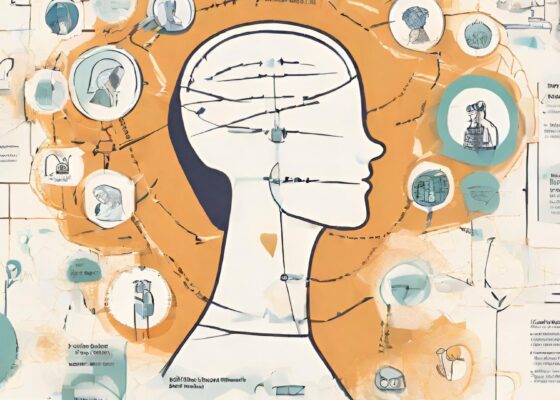
LER Adoption Will Be Won or Lost in the User Experience
LER infrastructure will not reach its potential unless people receive enough value to participate. Explore why person-facing applications, organizational workflows, trust, and user experience must evolve together.

Why Talent Data Still Cannot Speak Across Systems: STAMP and Semantic Interoperability
Talent systems can exchange data without understanding it. Explore how STAMP approaches semantic interoperability by connecting skills with experiences, evidence, provenance, context, and external frameworks.
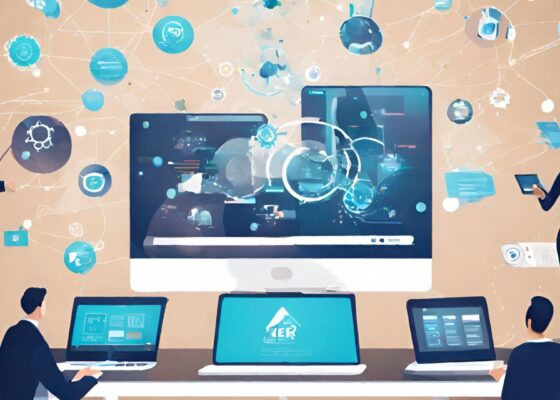
Why Enterprises Need Learning and Employment Records—and Why Records Alone Are Not Enough
Learning and Employment Records can give enterprises more trusted, portable talent data—but records alone cannot explain how people, work, and capabilities are changing. Learn how LERs support a broader Human Intelligence Layer.

AI, Data Standards, and Better Skills-Based Hiring
Understand the distinct roles of data standards, AI assistance, and human judgment—and follow a skill claim into a more useful hiring conversation.
