
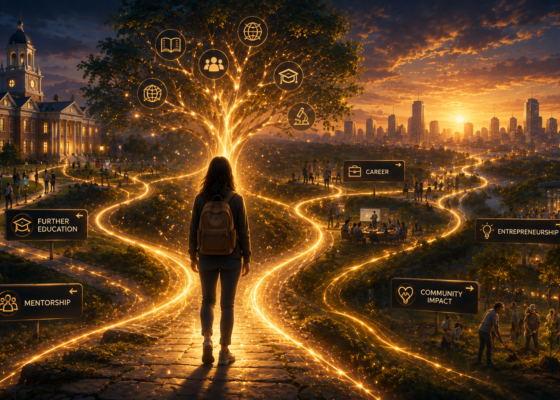
Teach Better
A Human Intelligence Layer makes the experience, judgment, capability, relationships, and potential within people and organizations visible and useful. Learn how it helps people, organizations, and AI continuously understand, grow, and adapt together.
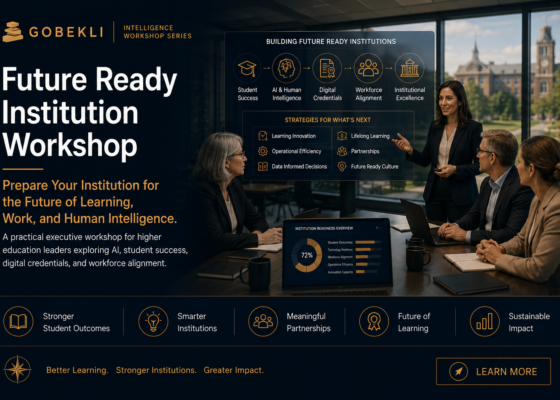
Future Ready Institution Workshop
Help your institution prepare learners for an AI-enabled future. The Future Ready Institution Workshop equips higher education leaders with practical frameworks for innovation, workforce readiness, Human Intelligence, and student success.
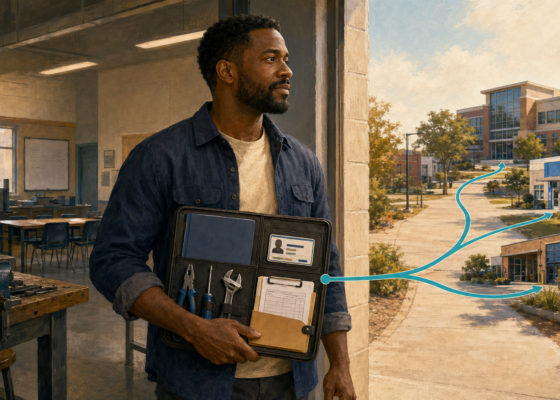
How a Reentry Program Helps a Returning Resident Carry His Progress Home
Andre completed education, credentials, work, and reentry planning before release. A resident-owned TalentPass helps ensure that progress does not disappear when he returns home.
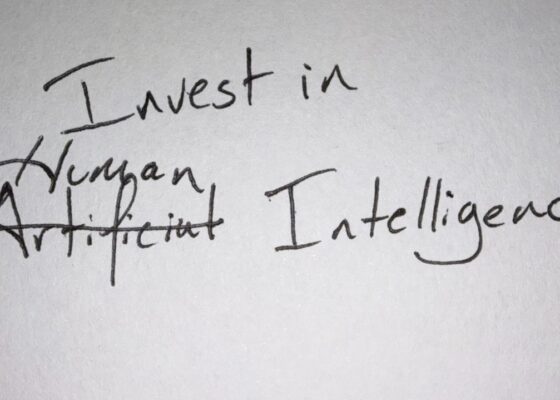
How LER Standards Enable the Human Intelligence Layer
The Learning and Employment Record ecosystem has spent years making learning and workforce data portable, verifiable, and individually owned. This article explores how that infrastructure can now support a Human Intelligence Layer that helps people, organizations, and AI continuously learn together.

It’s Time to Throw Out the Resume
Application volume is rising, hiring cycles are growing longer, and employers still struggle to see real capability. This article explains why the resume has become obsolete—and how Universal Talent Passports can replace noise and proxies with portable, verifiable talent data.

Becoming the Source of Truth
As AI makes polished resumes, pitches, and online identities abundant, traditional signals of trust are losing meaning. This article explores how people can become the source of truth about their own experience—and how self-understanding and evidence can restore agency and opportunity.

We’re Scaling Artificial Intelligence Faster Than We’re Scaling Human Agency. That’s the Risk.
AI capabilities and the energy systems supporting them are scaling at unprecedented speed, while people remain represented by static resumes, job titles, and outdated credentials. This article explains why human agency must become scalable infrastructure—and why leaders must invest in people and AI with equal seriousness.

PDF Resumes Are Collapsing the Job Market in the Age of AI—Help Create What’s Next
AI has made polished resumes abundant while verification remains manual, weakening trust across the job market. This article explores how Learning and Employment Records and person-owned talent passports can replace static claims with portable evidence—and restore agency to individuals.

When Learning Becomes Visible, the Value School Must Deliver Becomes Clear
As learning becomes portable and learner-owned, schools must provide more than access to information. This article explores how LERs and Universal Talent Passports can transform prior learning, advising, curriculum, and credentialing—and clarify the value educational institutions must deliver.

Time Gives Skills Shape—and Makes Them Visible
As the year comes to a close, many of us look forward to who we want to become…