

Uniting Digital Worlds: How the EU and Canada Are Pioneering Cross-Border Digital Identity
In an increasingly interconnected world, the need for robust digital identity systems that cross national borders is more…

How all your data is secure, verifiable and understood by organizations.
Ensuring the Security, Verifiability, and Understandability of Your Data In today’s digital age, the security and verifiability of…

Learning and Employment Records as Infrastructure for a More Equitable Talent System
Systemic challenges in education and workforce systems cannot be solved with disconnected records. LERs, Verifiable Credentials, TalentPass, and TalentSync point toward a more portable, trusted, and human-centered talent infrastructure.

Verifiable Credentials Are Critical Infrastructure for Human-Centered AI
AI is only as trustworthy as the data and context it uses. Verifiable Credentials create a foundation for more reliable, privacy-aware, and accountable AI by making claims, evidence, and provenance easier to verify.

What will high school look like with integrated LERs?
A human-centered LER high school could connect courses, projects, credentials, advising, work-based learning, and community experiences—helping students carry meaningful evidence forward without turning education into surveillance.
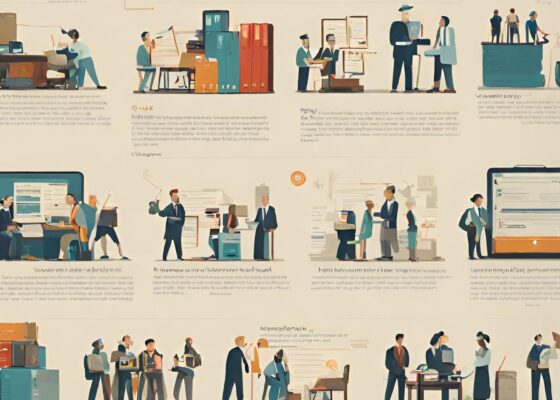
How the LER Ecosystem Evolved—and What It Must Become Next
The LER ecosystem grew from decades of work in digital records, portfolios, credentials, interoperability, workforce data, and individual agency. Its next evolution must turn portable records into trusted, human-centered intelligence people can understand and use.

What would Integrating LER Technology in the Classroom look like?
LER integration should not mean tracking every student interaction or adding another disconnected platform. It should help learners preserve meaningful evidence, understand their growth, and carry trustworthy records from the classroom into future learning and work.
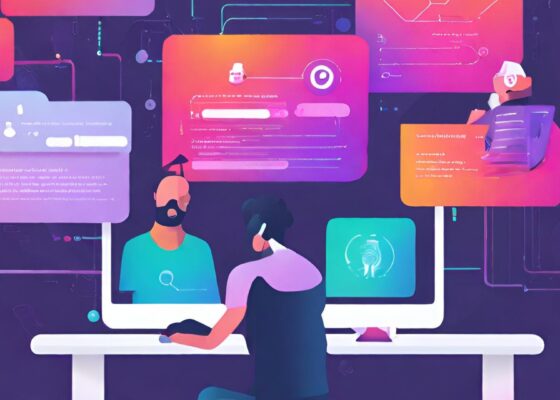
The Résumé Is Not Enough: Why Applicant Tracking Systems Need Better Talent Data
Applicant Tracking Systems have made hiring easier to manage, but they still rely on incomplete résumés and inconsistent data. LERs, talent passports, and contextual evidence can help employers understand candidates more fully while preserving human judgment and candidate agency.
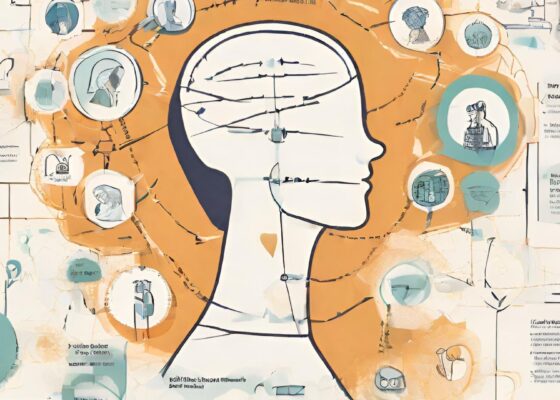
LER Adoption Will Be Won or Lost in the User Experience
LER infrastructure will not reach its potential unless people receive enough value to participate. Explore why person-facing applications, organizational workflows, trust, and user experience must evolve together.
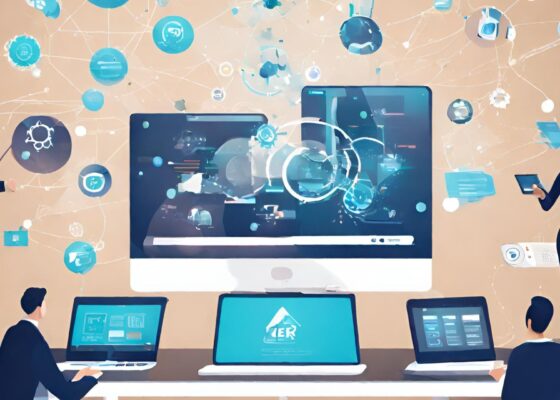
Why Enterprises Need Learning and Employment Records—and Why Records Alone Are Not Enough
Learning and Employment Records can give enterprises more trusted, portable talent data—but records alone cannot explain how people, work, and capabilities are changing. Learn how LERs support a broader Human Intelligence Layer.