
Eligibility & Enrollment Handoffs
Being referred to a program does not mean someone knows how to enter it. Clarify requirements, documentation, decision ownership, and the handoffs between programs so participants understand their next step and staff can provide accountable support.

Serve Better
A Human Intelligence Layer makes the experience, judgment, capability, relationships, and potential within people and organizations visible and useful. Learn how it helps people, organizations, and AI continuously understand, grow, and adapt together.

Workforce Re-entry Workshop
Help workforce and public-service leaders design stronger pathways for people returning to work, changing careers, or rebuilding after disruption. This workshop identifies gaps in coordination, information, and support—and develops a practical roadmap for helping people carry their progress forward.
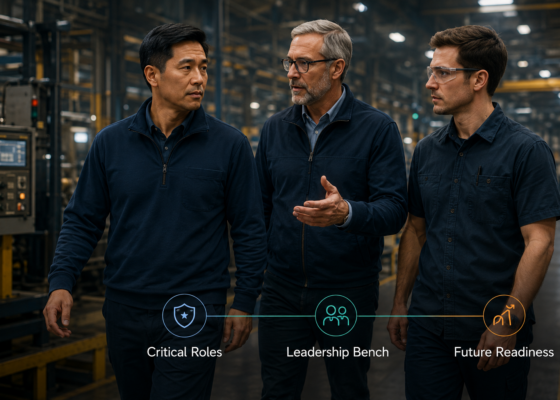
Plan the Workforce and Leadership Pipeline
Build workforce and leadership readiness before critical gaps emerge. TalentSync and TalentPass help organizations identify workforce risks, evaluate bench strength, create evidence-based successor pathways, model future scenarios, and keep plans current as people and work evolve.

How a State Helps a Resident Coordinate Workforce and Support Services Without Repeating Her Story
Sofia’s return to work depends on training, childcare, transportation, and healthcare transitions. TalentPass helps her coordinate the pathway without giving every program access to her complete life.
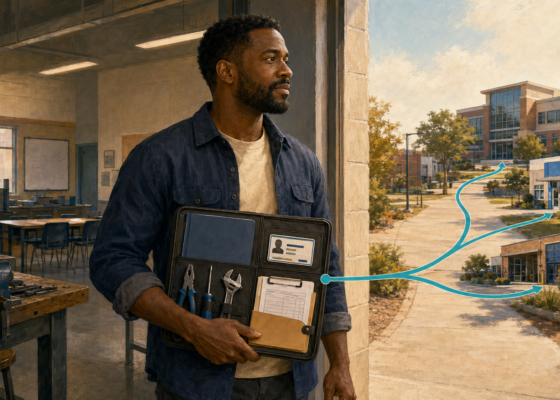
How a Reentry Program Helps a Returning Resident Carry His Progress Home
Andre completed education, credentials, work, and reentry planning before release. A resident-owned TalentPass helps ensure that progress does not disappear when he returns home.
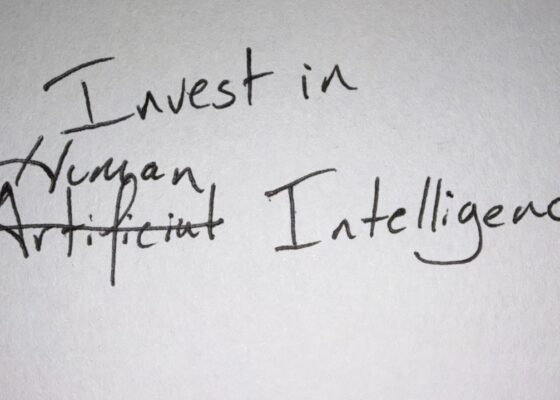
How LER Standards Enable the Human Intelligence Layer
The Learning and Employment Record ecosystem has spent years making learning and workforce data portable, verifiable, and individually owned. This article explores how that infrastructure can now support a Human Intelligence Layer that helps people, organizations, and AI continuously learn together.

Why Skills-Based Hiring Is Really Competency-Based Hiring
Employers may list skills in job descriptions, but they make decisions based on something more complex: competency. This article explores how applied capability emerges across skills, experience, behavior, and context—and why organizations need better ways to observe its development.

It’s Time to Throw Out the Resume
Application volume is rising, hiring cycles are growing longer, and employers still struggle to see real capability. This article explains why the resume has become obsolete—and how Universal Talent Passports can replace noise and proxies with portable, verifiable talent data.
