

Tracking Certifications and Training: Simplify Your Records with TalentPass
Certifications may come from many different schools, employers, issuers, and licensing bodies. Keeping their source, status, verification, and renewal requirements connected helps you remain qualified and ready for your next opportunity.

Making Your Hands-On Skills Visible Beyond the Classroom
Your certificate shows that you completed training, but it may not reveal the full depth of your practical ability. Connecting projects, responsibilities, credentials, and approved evidence can make your hands-on skills easier to understand.

Early Career Pathways With TalentPass: A Friendship Story of Growth, Creativity, and Opportunity
A fictional early-career story showing how TalentPass could help friends document growth, share feedback, build portfolios, and pursue different pathways through school, trade training, marketing, retail, and entrepreneurship.

A Practical 3-5 Year LER Roadmap for Community Colleges
Community colleges do not need to implement LERs all at once. This roadmap shows how institutions can start with strategy and pilots, then expand toward trusted learner records, career pathways, advising, and workforce partnerships.

Learning and Employment Records as Infrastructure for a More Equitable Talent System
Systemic challenges in education and workforce systems cannot be solved with disconnected records. LERs, Verifiable Credentials, TalentPass, and TalentSync point toward a more portable, trusted, and human-centered talent infrastructure.

Empowering Lifelong Learner Growth With TalentPass and the Human Intelligence Layer
Lifelong learning needs more than static transcripts and resumes. This article explores how Gobekli helps learners build a living, learner-owned record of growth, evidence, goals, skills, and opportunity over time.

Recognizing All Learning: How Schools Can Measure, Verify, and Credit More of What Students Know
Schools often miss valuable learning that happens outside traditional transcripts. This use case shows how Gobekli can help institutions measure, verify, recognize, and credit more of each learner’s past and present growth.

Verifiable Credentials Are Critical Infrastructure for Human-Centered AI
AI is only as trustworthy as the data and context it uses. Verifiable Credentials create a foundation for more reliable, privacy-aware, and accountable AI by making claims, evidence, and provenance easier to verify.
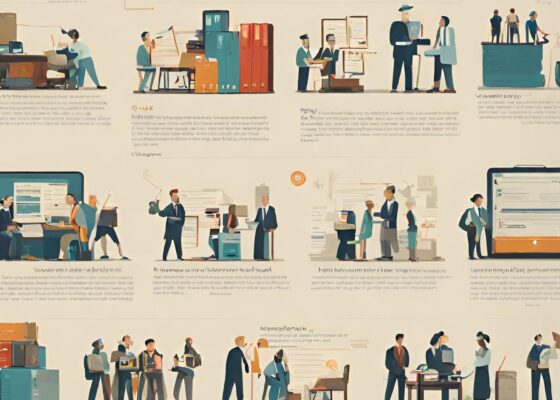
How the LER Ecosystem Evolved—and What It Must Become Next
The LER ecosystem grew from decades of work in digital records, portfolios, credentials, interoperability, workforce data, and individual agency. Its next evolution must turn portable records into trusted, human-centered intelligence people can understand and use.

What would Integrating LER Technology in the Classroom look like?
LER integration should not mean tracking every student interaction or adding another disconnected platform. It should help learners preserve meaningful evidence, understand their growth, and carry trustworthy records from the classroom into future learning and work.