

Skills-Based Hiring & Onboarding with LERs
Follow an operations-coordinator applicant from relevant work examples through hiring review and a supported first assignment, with a clear handoff of appropriate context.

What will high school look like with integrated LERs?
A human-centered LER high school could connect courses, projects, credentials, advising, work-based learning, and community experiences—helping students carry meaningful evidence forward without turning education into surveillance.
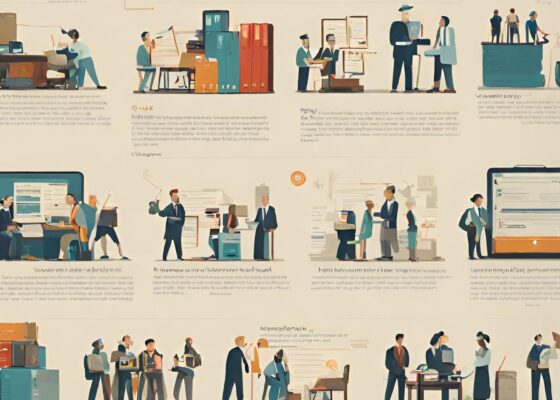
How the LER Ecosystem Evolved—and What It Must Become Next
The LER ecosystem grew from decades of work in digital records, portfolios, credentials, interoperability, workforce data, and individual agency. Its next evolution must turn portable records into trusted, human-centered intelligence people can understand and use.

What would Integrating LER Technology in the Classroom look like?
LER integration should not mean tracking every student interaction or adding another disconnected platform. It should help learners preserve meaningful evidence, understand their growth, and carry trustworthy records from the classroom into future learning and work.
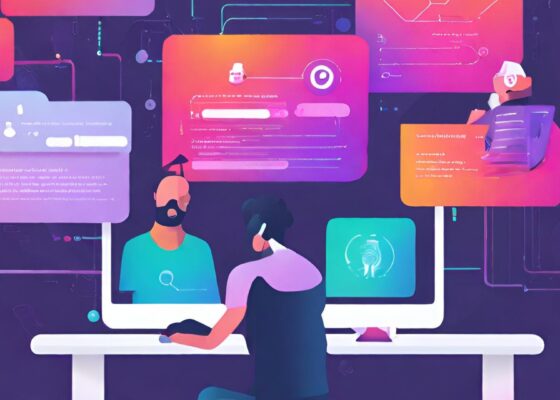
The Résumé Is Not Enough: Why Applicant Tracking Systems Need Better Talent Data
Applicant Tracking Systems have made hiring easier to manage, but they still rely on incomplete résumés and inconsistent data. LERs, talent passports, and contextual evidence can help employers understand candidates more fully while preserving human judgment and candidate agency.
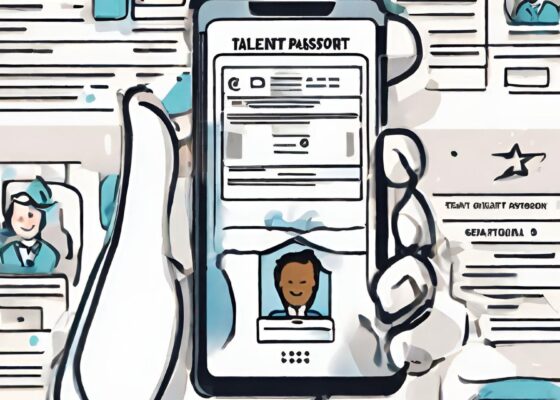
Credential Issuance Is Only the Beginning: Helping People Use What They Earn
Credential issuance is only the beginning. Learn how issuers can help people receive, understand, retain, and use digital credentials through trustworthy wallet and passport partnerships—without creating platform lock-in.
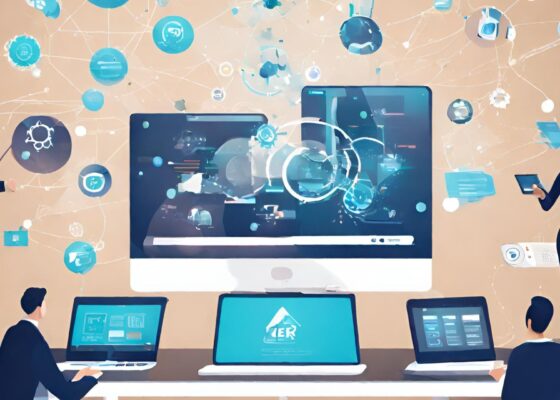
Why Enterprises Need Learning and Employment Records—and Why Records Alone Are Not Enough
Learning and Employment Records can give enterprises more trusted, portable talent data—but records alone cannot explain how people, work, and capabilities are changing. Learn how LERs support a broader Human Intelligence Layer.

AI, Data Standards, and Better Skills-Based Hiring
Understand the distinct roles of data standards, AI assistance, and human judgment—and follow a skill claim into a more useful hiring conversation.

Beyond Course Completion: How STAMP Could Make Learning Management Data More Useful
Learning Management Systems can track course completion, but they rarely show how learning becomes demonstrated capability. Explore how STAMP could connect learning activities, outcomes, evidence, skills, and real-world application.
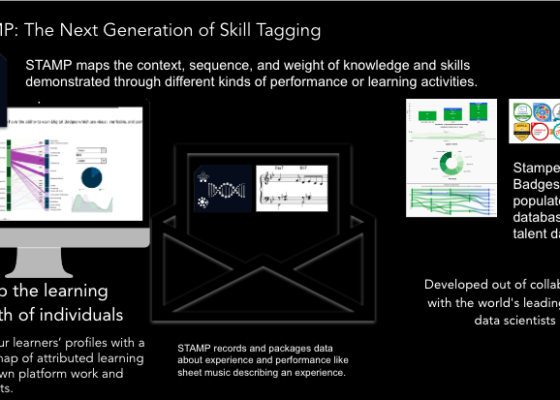
STAMP: A Framework for Mapping Human Capability Across Systems
STAMP is Gobekli’s developing framework for connecting skills with the activities, roles, evidence, time, and context that give them meaning. Explore how it informs the Talent Tree and Human Intelligence Layer.