

We’re Scaling Artificial Intelligence Faster Than We’re Scaling Human Agency. That’s the Risk.
AI capabilities and the energy systems supporting them are scaling at unprecedented speed, while people remain represented by static resumes, job titles, and outdated credentials. This article explains why human agency must become scalable infrastructure—and why leaders must invest in people and AI with equal seriousness.

PDF Resumes Are Collapsing the Job Market in the Age of AI—Help Create What’s Next
AI has made polished resumes abundant while verification remains manual, weakening trust across the job market. This article explores how Learning and Employment Records and person-owned talent passports can replace static claims with portable evidence—and restore agency to individuals.

Time Gives Skills Shape—and Makes Them Visible
As the year comes to a close, many of us look forward to who we want to become…
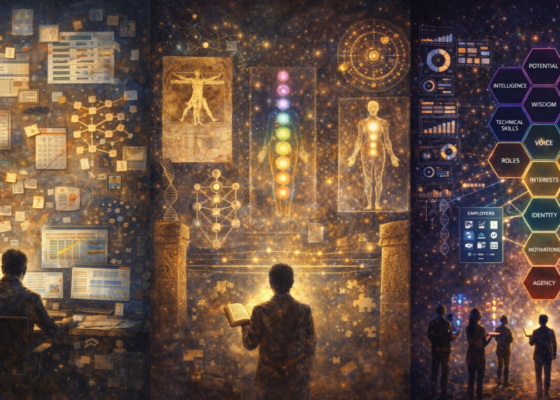
Beyond Skills: What Is Talent?
Skills describe what someone can do—but not why, where, or how they will apply them. This article introduces Gobekli’s Talent Tree: a living, multidimensional map of human talent encompassing agency, motivation, identity, experience, wisdom, creativity, intelligence, and potential.
AI Should Expand Young Career Possibilities—Not Choose Their Future
AI can help young people explore careers, recognize their capabilities, and prepare for meaningful opportunities—but it should never attempt to decide their future. Ethical career guidance must preserve agency, privacy, explainability, human support, and the freedom to change.

Universal Talent Passports and the Future of Talent Management
A partnership model for talent management that gives people continuity, organizations relevant context, and both sides clearer boundaries and reasons to participate.
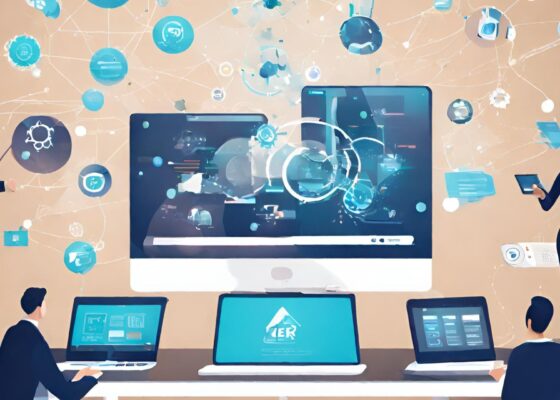
Why Enterprises Need Learning and Employment Records—and Why Records Alone Are Not Enough
Learning and Employment Records can give enterprises more trusted, portable talent data—but records alone cannot explain how people, work, and capabilities are changing. Learn how LERs support a broader Human Intelligence Layer.

The LER Ecosystem: Building Human-Centered Infrastructure for Learning, Work, and Opportunity
The LER ecosystem brings together people, institutions, standards, credentials, technology, and policy to make learning and employment information trusted and portable. Explore what each layer contributes—and why the ecosystem must remain centered on the people it represents.