
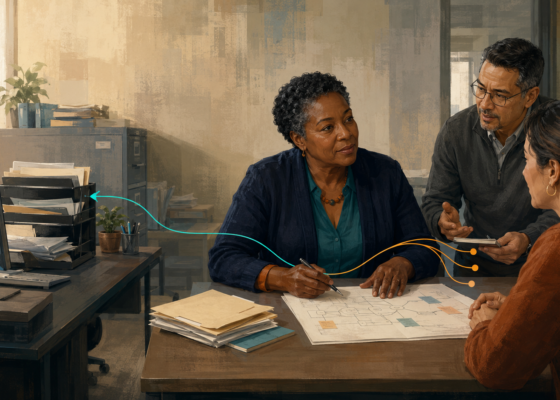
How a State Helps Public Employees Grow Into the Work Government Needs Next
Denise’s official job classification captures only part of the judgment and institutional knowledge she has built through 17 years of public service. Better human intelligence helps the state connect that talent to emerging work.
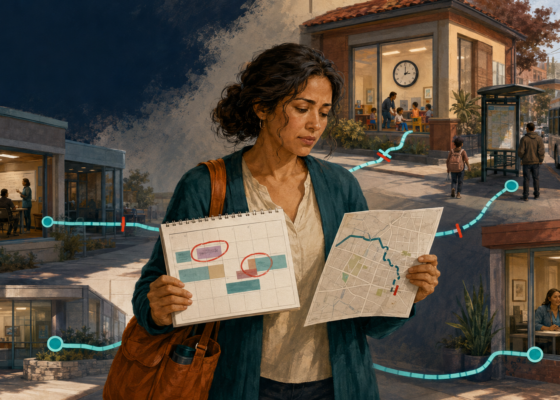
How a State Helps a Resident Coordinate Workforce and Support Services Without Repeating Her Story
Sofia’s return to work depends on training, childcare, transportation, and healthcare transitions. TalentPass helps her coordinate the pathway without giving every program access to her complete life.

How a State Veterans Agency Helps a Veteran Carry Military Experience Into a Civilian Career
Casey’s military records document 11 years of service, but civilian employers cannot easily see the work and judgment inside them. TalentPass helps her carry that value into a new career she chooses.
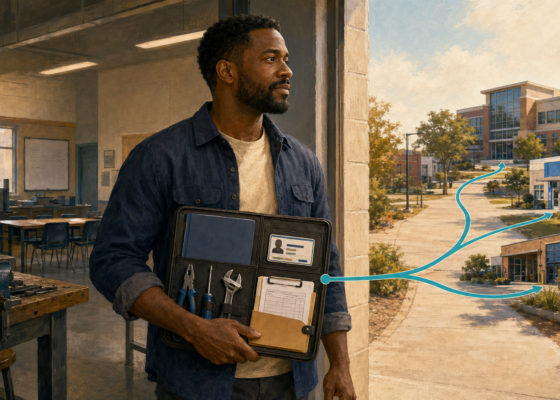
How a Reentry Program Helps a Returning Resident Carry His Progress Home
Andre completed education, credentials, work, and reentry planning before release. A resident-owned TalentPass helps ensure that progress does not disappear when he returns home.
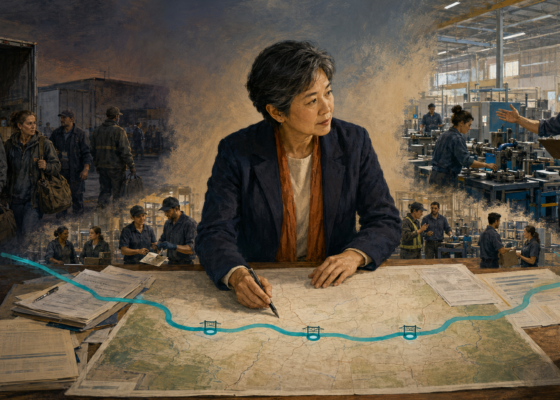
How a State Learns Where Its Talent Is—and What Its Economy Needs Next
Mara’s state can count jobs, programs, credentials, and workers—but still cannot see clearly how they fit together. A resident-owned human intelligence layer reveals the transitions and targeted investments the workforce needs.
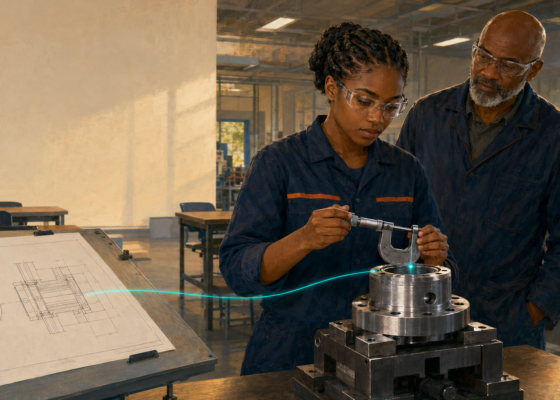
How a State Apprenticeship Program Helps an Apprentice Carry Everything She Learns Into Her Career
Aaliyah’s apprenticeship connects classroom learning with real work, but the records remain scattered across different organizations. A portable TalentPass helps her carry the whole experience forward.

How a State Licensing Agency Helps a Skilled Worker Carry Her Qualifications Across State Lines
Nia has an active license, years of experience, and verified credentials—but moving to another state forces her to reconstruct the entire record. A portable, trusted licensing profile can preserve both mobility and public assurance.
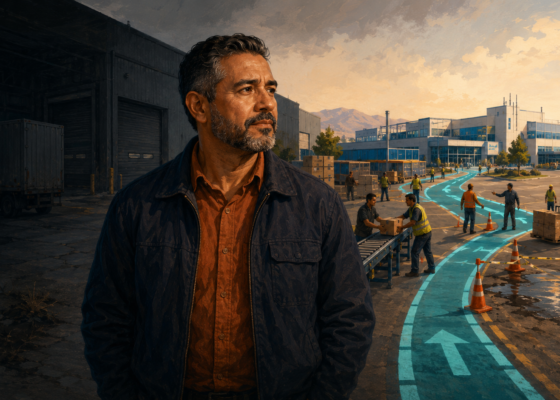
How a State Workforce Agency Helps a Dislocated Worker Carry His Experience Into a New Industry
When Luis’s facility closes, his job disappears—but his 14 years of experience do not. See how a state workforce agency can help him carry that value into a new industry.
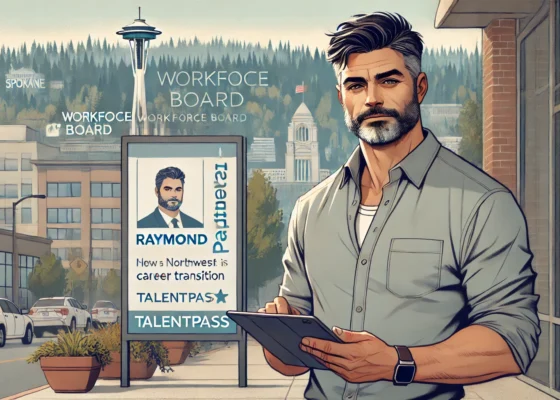
Field Test Example for Workforce Boards: Raymond’s Transition to a New Career After Hurricane Idalia
Raymond, a middle-aged former shipping logistics coordinator, was forced to leave his hometown near the Florida Gulf Coast…