

Verifiable Credentials Are Critical Infrastructure for Human-Centered AI
AI is only as trustworthy as the data and context it uses. Verifiable Credentials create a foundation for more reliable, privacy-aware, and accountable AI by making claims, evidence, and provenance easier to verify.
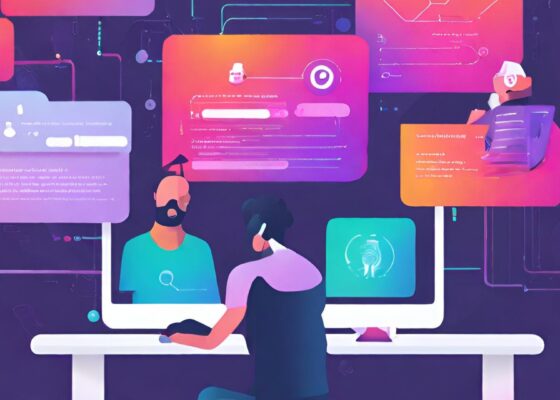
The Résumé Is Not Enough: Why Applicant Tracking Systems Need Better Talent Data
Applicant Tracking Systems have made hiring easier to manage, but they still rely on incomplete résumés and inconsistent data. LERs, talent passports, and contextual evidence can help employers understand candidates more fully while preserving human judgment and candidate agency.
AI Should Expand Young Career Possibilities—Not Choose Their Future
AI can help young people explore careers, recognize their capabilities, and prepare for meaningful opportunities—but it should never attempt to decide their future. Ethical career guidance must preserve agency, privacy, explainability, human support, and the freedom to change.
Balancing the Promise and Peril of AI-Generated Personal Statements with UTPs.
AI can help people reflect, write, translate, and communicate—but it should never manufacture the life behind the words. Explore how truth, evidence, voice, provenance, and individual review can keep AI-supported personal statements authentic.

Universal Talent Passports and the Future of Talent Management
A partnership model for talent management that gives people continuity, organizations relevant context, and both sides clearer boundaries and reasons to participate.
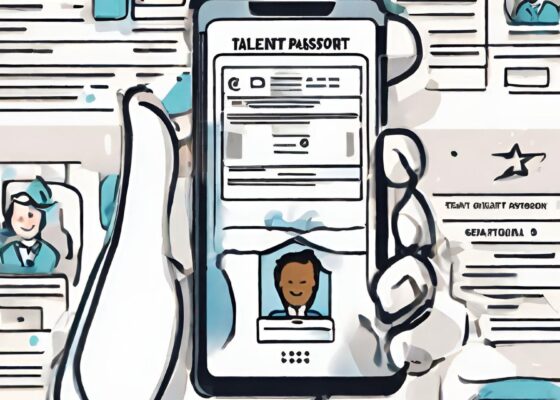
Credential Issuance Is Only the Beginning: Helping People Use What They Earn
Credential issuance is only the beginning. Learn how issuers can help people receive, understand, retain, and use digital credentials through trustworthy wallet and passport partnerships—without creating platform lock-in.
LER Adoption Will Be Won or Lost in the User Experience
LER infrastructure will not reach its potential unless people receive enough value to participate. Explore why person-facing applications, organizational workflows, trust, and user experience must evolve together.

Why Talent Data Still Cannot Speak Across Systems: STAMP and Semantic Interoperability
Talent systems can exchange data without understanding it. Explore how STAMP approaches semantic interoperability by connecting skills with experiences, evidence, provenance, context, and external frameworks.
Why Enterprises Need Learning and Employment Records—and Why Records Alone Are Not Enough
Learning and Employment Records can give enterprises more trusted, portable talent data—but records alone cannot explain how people, work, and capabilities are changing. Learn how LERs support a broader Human Intelligence Layer.

Revolutionizing the Digital Realm: Solid and Pythia-UTP’s Shared Vision
The Solid Project offers a vision in which people control their data and choose which applications and AI agents can use it. Explore how those principles relate to TalentPass, Pythia, and Gobekli’s Human Intelligence Layer.