
EMPLOYER USE CASE · AN ILLUSTRATIVE SCENARIO
Carry the Family’s Knowledge
Into the Ranch’s Next Chapter
The work has been passed down for generations. The responsibilities still need to be clear today.
Maria is taking on more responsibility at Cedar Ridge Ranch. Luis knows the livestock operation, Andrés manages crops and grounds, and seasonal help joins when demand grows.
As the family considers new visitor activities, Maria needs to understand what the team can support without leaving essential work dependent on memory or last-minute coordination.
Follow the Delgados as they connect experience, responsibilities, and learning with a practical plan for the season ahead.
Cedar Ridge and the people in this story are fictional. Illustrations and any figures within them are examples, not customer results. The scenario describes intended TalentSync capabilities. See current product availability.

Everyone knows their part—until the work overlaps.
A busy visitor weekend approaches while routine ranch work continues. Maria expects one person to prepare seasonal helpers; that person is already committed elsewhere.
The problem is not a lack of effort. Important assumptions have remained unspoken: who owns each responsibility, which work needs experienced support, and what can wait.
What needs to be covered before the family commits to more?
01 · CLARIFY RESPONSIBILITIES
Make the work visible before adding to it.
Maria, Luis, and Andrés begin with the upcoming season. They identify recurring responsibilities, busy periods, handoffs, and decisions that need a named owner.

A Team or Workflow Profile could bring that picture together:
- What must happen, and when?
- Who is responsible—and who can provide backup?
- Where does the work depend on another person’s knowledge?
- What preparation or support is still missing?
The family reviews the picture together. A job title or family relationship alone does not establish that someone has accepted a responsibility.
02 · PRESERVE PRACTICAL KNOWLEDGE
Capture what experienced people notice.
Luis and Andrés know things that a task list may miss: what to check before a handoff, which questions a newcomer should ask, and when a change needs an experienced person’s attention.
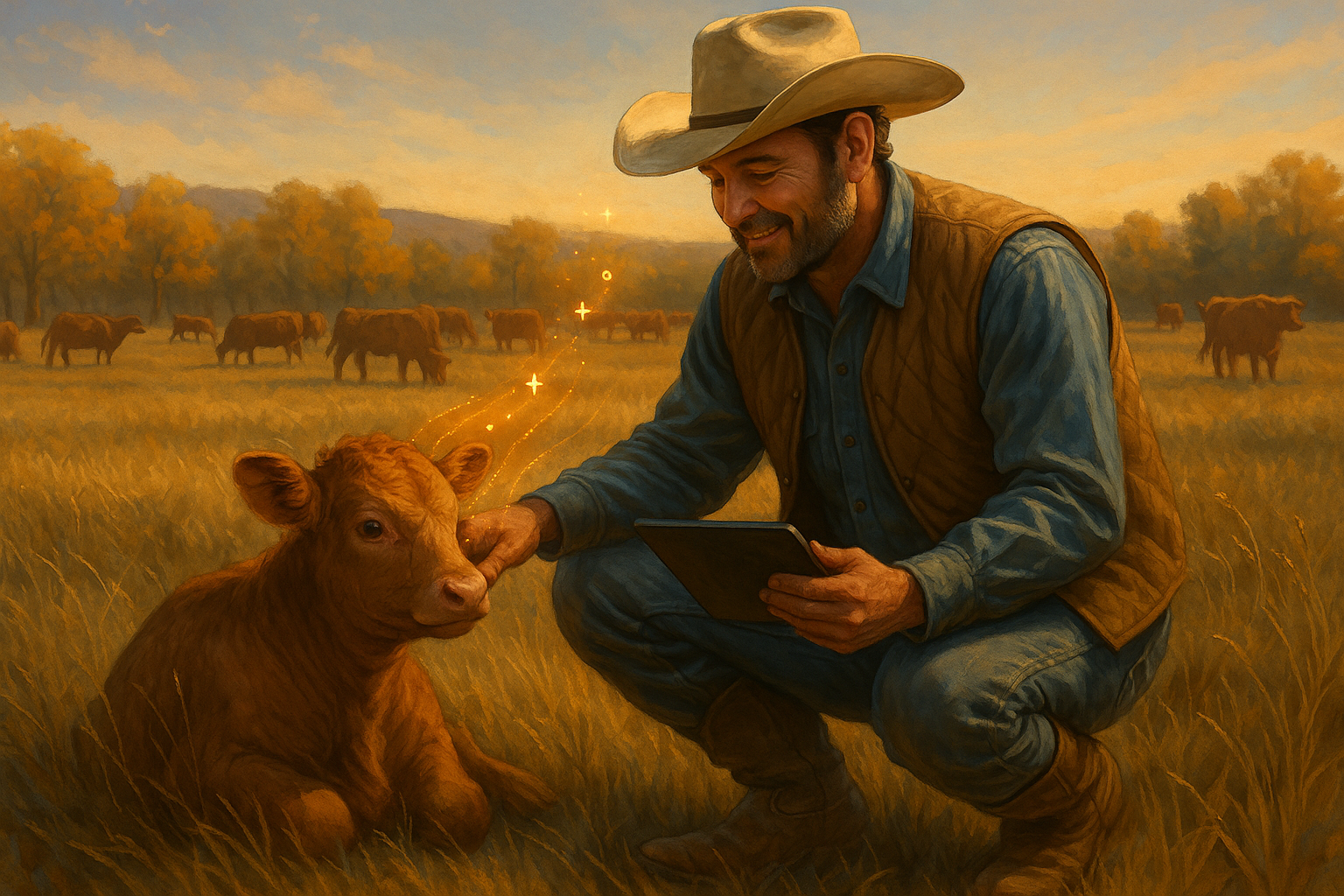
Pythia could help them describe selected examples from their work. What happened? What did they notice? Why did it matter? Who should review or act on that information?
The Talent Tree provides a way to connect activities, responsibilities, capabilities, and supporting evidence. The team can then identify where backup coverage or guided practice would be useful.
The aim is to make knowledge easier to share and review while keeping its source and limits visible.
Tradition becomes stronger when more people can understand it.
Preserve the experience behind the routine. Make room for questions, shared responsibility, and the next person’s learning.
03 · PREPARE THE SEASONAL TEAM
Delegate with the support the work requires.
Suppose Andrés is interested in helping prepare seasonal staff. Maria discusses the responsibility with him rather than treating an AI interpretation as a readiness decision.
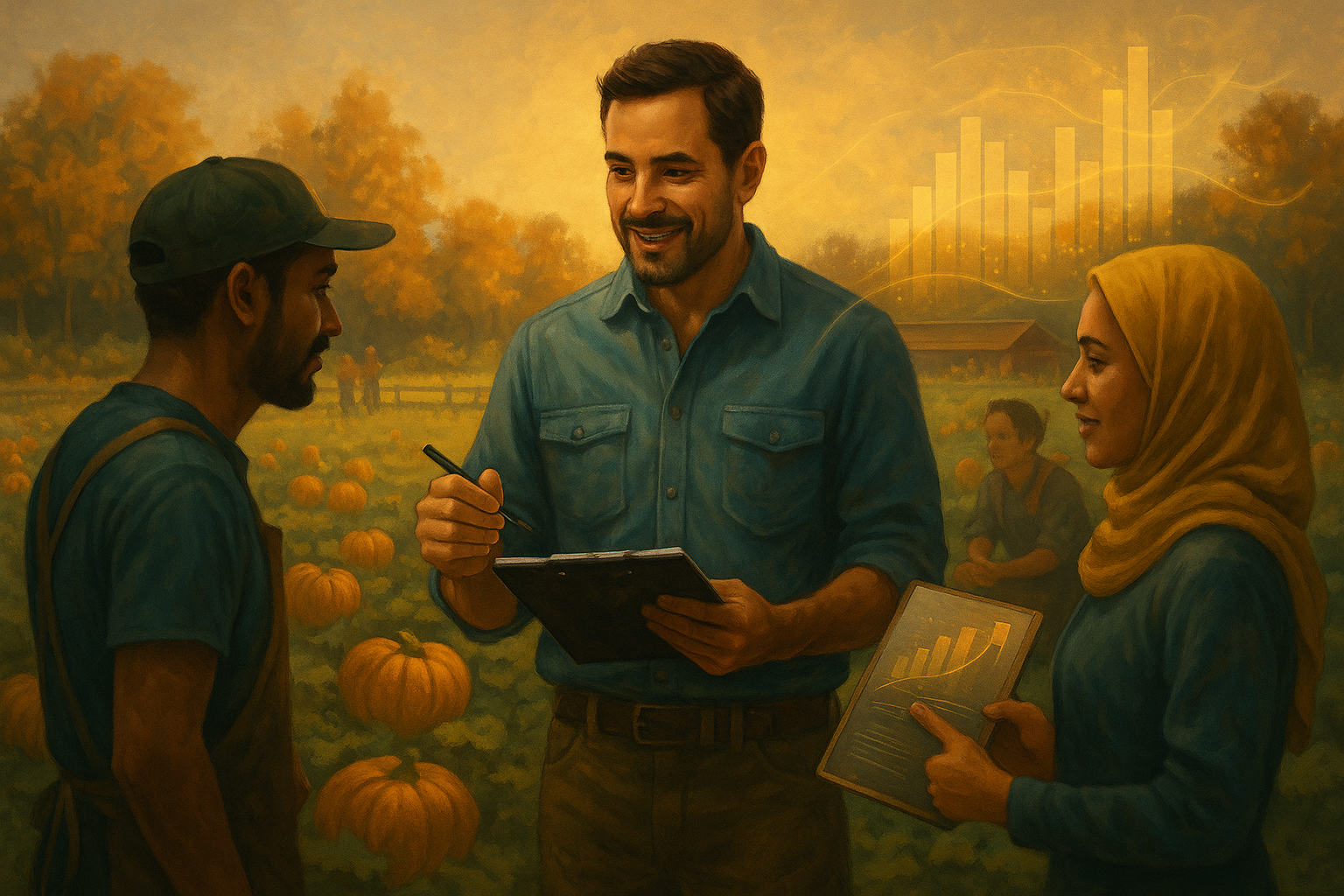
They agree on scope, preparation time, experienced support, and the questions he should bring back to the family. Seasonal helpers receive a clearer introduction to the work and who to ask for guidance.
The team reviews whether the arrangement is helping and whether it leaves other responsibilities uncovered.
A useful delegation includes agreement, capacity, and a way to ask for help.
04 · MAKE LEARNING VISIBLE
Help Jake describe what he is learning.
Jake is a young learner spending supervised time with the ranch team. His part in the story is learning through observation, questions, and appropriate guided activities—not filling a staffing gap.

A reflection could help him describe what he observed, who guided him, and what he would like to understand next. An adult can review the account and add context about the support provided.
Participation and sharing need arrangements appropriate to the learner and setting. A learning record does not authorize a task or establish readiness to work independently.
Passport Pages provide the intended framework for purposeful exchange of relevant records and recognition with a person’s TalentPass.
05 · TEST THE NEXT CHAPTER
Examine what growth would ask of the team.
Maria wants to explore an additional visitor activity. Before committing, the family identifies the new responsibilities it would create and the existing work it could affect.
A focused opportunity review could examine:
- The people and experience the activity would require.
- Preparation, equipment, and outside expertise to investigate.
- Who would own the decisions and day-to-day coordination.
- What must be confirmed before proceeding.
- Which assumptions about demand, cost, and capacity need testing.
TalentSync’s intended role is to organize the human and operational context around that decision. It does not grant permissions or establish that an activity is safe or financially viable.
A promising idea becomes a decision the family can examine together.
06 · CARRY THE LEARNING FORWARD
Leave the next season better prepared.
After the busy period, the family reviews what worked, what depended on last-minute help, and what needs a different arrangement.

The review can update responsibilities, identify useful preparation, and recognize contributions from family members and seasonal workers.
With appropriate sharing, people could retain reviewed recognition in TalentPass. The ranch keeps the relevant operational learning, while individuals keep an account of their own experience.
The family gains a clearer plan. People gain recognition for helping it work.
Evaluate continuity, coverage, and learning.
Responsibility clarity
Do people understand and agree on what they own?
Knowledge coverage
Can someone find the right guidance when an experienced person is unavailable?
Seasonal preparation
Are helpers introduced to the work with appropriate supervision and support?
Growth decisions
Can the family explain the assumptions and dependencies behind a new commitment?
These are questions to evaluate—not measured customer results. This scenario does not establish revenue increases, reduced livestock losses, or labor savings.
Where does the next season need a clearer plan?
“Too much depends on what one person knows.”
Examine critical knowledge, backup coverage, and responsibilities that need continuity.
“Seasonal helpers need a better start.”
Connect preparation, responsibilities, and support before the busy period.
“We want to grow, but need to understand the workload.”
Connect the work ahead with capability, capacity, and realistic response options.
Questions about family farm workforce continuity
Is TalentSync farm-management or livestock software?
This scenario focuses on people, responsibilities, knowledge, and learning. Existing systems can continue to handle specialist operational records. Specific connections depend on implementation scope and availability.
Does this replace a family succession plan?
No. Clarifying work and knowledge can support operational continuity, but this scenario does not address ownership transfer, estate planning, or the complete process of family succession.
Can AI decide who is ready for a responsibility?
The intended approach organizes relevant context for discussion. The people involved still need to assess experience, support, capacity, and the responsibility itself.
Does Pythia provide veterinary or safety decisions?
This use case concerns reflection, coordination, and identifying questions for responsible people. It does not position Pythia as a substitute for qualified veterinary, safety, or other specialist advice.
Can learning be recognized without claiming independent competence?
Yes. A record can describe what someone observed or practiced, who provided guidance, and the limits of that experience. Recognition should not imply authorization or independent readiness.
Is there a free four-user TalentSync plan?
This page does not offer or confirm a free four-user plan. Review current product availability and discuss an appropriate starting point with Gobekli.
Prepare the next chapter
with the people who know the work.
Start with one recurring handoff, seasonal challenge, or responsibility that depends on a few people. Make the knowledge and next steps clearer together.
