

Map the Human Workflow Before You Automate It
The process chart rarely shows the person everyone calls when something goes wrong. Learn how to map the judgment, relationships and exceptions that keep work moving, then use that context to choose a better next step.
Building the Best Possible Future White Paper
Who gets to direct intelligence—and who is directed by it? Danny Done’s white paper proposes a Human Intelligence Layer connecting personal agency, organizational self-awareness, and governed exchange to help people and institutions shape the future of AI.

Passport Pages in TalentSync
Passport Pages create trusted, permissioned connections between people, organizations, services, and systems—without creating another isolated data silo.

Talent Tree in TalentSync
The Talent Tree organizes the many dimensions of human capability into a shared structure that reveals active talent, latent potential, and organizational gaps.

Lead Better
A Human Intelligence Layer makes the experience, judgment, capability, relationships, and potential within people and organizations visible and useful. Learn how it helps people, organizations, and AI continuously understand, grow, and adapt together.
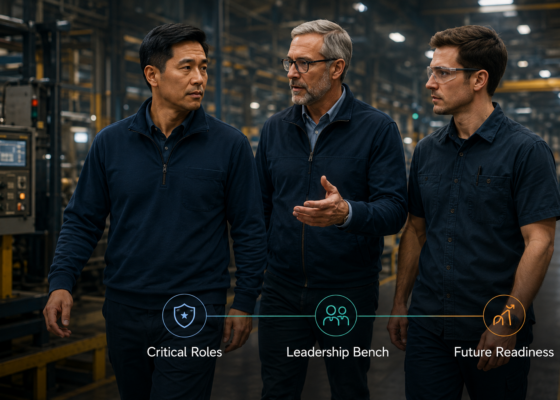
Plan the Workforce and Leadership Pipeline
Build workforce and leadership readiness before critical gaps emerge. TalentSync and TalentPass help organizations identify workforce risks, evaluate bench strength, create evidence-based successor pathways, model future scenarios, and keep plans current as people and work evolve.

Develop People for What Comes Next
Develop people for the work ahead by connecting changing responsibilities with focused development, real-world practice, manager support, and portable evidence of growth. TalentSync and TalentPass help organizations and employees learn continuously as work evolves.

Build Stronger, More Adaptive Teams
Strong teams need a shared understanding of their work, capabilities, and responsibilities. Explore how TalentSync could connect those perspectives—and where a focused workshop can begin.
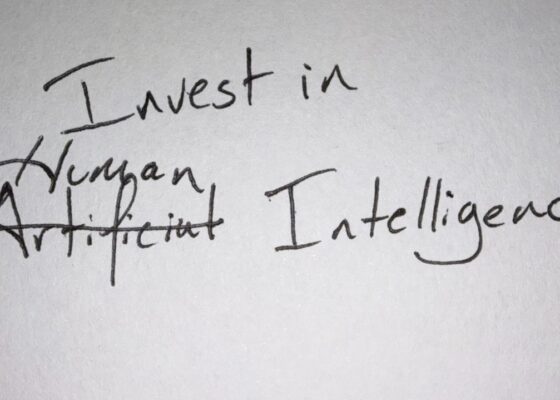
How LER Standards Enable the Human Intelligence Layer
The Learning and Employment Record ecosystem has spent years making learning and workforce data portable, verifiable, and individually owned. This article explores how that infrastructure can now support a Human Intelligence Layer that helps people, organizations, and AI continuously learn together.

Transform Work and Scale AI Intelligently
Horizon can track AI usage, but needs to understand its effect on real work. Follow a TalentSync scenario connecting workflow evidence, employee insight, and decisions about what to scale.